Aniline vs Semi-Aniline Leather: Finishes Explained
Aniline vs semi-aniline leather is one of the most misunderstood comparisons in leather buying, because the difference has nothing to do with the hide and everything to do with the finish on top of it. Two bags can start from the same quality of full-grain hide and still look, feel and age very differently depending on how much coating sits on the surface.
This guide explains the three finish families (aniline, semi-aniline and pigmented), what each one means for scratches, stains and patina, and how to read a product description without being misled.
What a Leather Finish Actually Is
After tanning, leather is dyed and then usually finished. The finish is the surface treatment: dyes, binders, pigments and topcoats that set the color, the sheen and how much protection the surface gets. It is separate from the grain type. As one leather supplier points out, aniline, semi-aniline and pigmented leathers can all be made from full-grain hide. If you want the grain question first, our guide to full grain vs top grain leather covers it.
The simplest way to think about finishes is thickness. A leather dictionary summarizes it well: as the coating gets thicker, the pores become less visible and protection improves, but the leather feels less natural and breathes less.
Aniline Leather: Dyed, Not Covered
Aniline leather is dyed with soluble dyes that penetrate through the hide, with no protective topcoat or surface pigment applied. Because nothing sits on top, natural marks such as scars, insect bites, stretch marks and neck creases stay visible, and the color can vary across the surface. The feel is soft and warm.
The trade-off is vulnerability. Aniline leather is more prone to scratches, stains and moisture marks than the other two types. It rewards careful owners and tends to be used on the best hides, since there is nowhere for flaws to hide.
Semi-Aniline Leather: A Thin Protective Layer
Semi-aniline leather is aniline-dyed first, then given a thin protective coat that may contain a little pigment to even out the color. The pores are still recognizable, and the surface keeps much of the natural look, although the coating hides some marks. A clear final coat, matte or glossy, helps it resist dirt and sun.
One source notes that the word "semi" is misleading: it does not mean half-finished, it means aniline plus a light pigmented layer. In practice this is the compromise finish, and it is common on bags meant for daily use.
Pigmented Leather: The Durable Option
Pigmented (also called protected or finished) leather is dyed and then sprayed with a thick pigmented coating. Natural marks are removed or covered and often replaced with an embossed grain, so colors are even and intense. It is the most resistant to wear, staining and water of the three, and it is the easiest to clean.
The cost is character. The surface feels firmer and cooler, breathes less, and develops patina slowly or not at all. Pigmented leather is not inherently low quality; it is a practical choice for car seats, sofas in busy homes and bags that must stay uniform. The quality question is whether the underlying hide is sound, which is the issue we unpack in corrected-grain vs bonded leather.
Aniline vs Semi-Aniline vs Pigmented at a Glance
| Feature | Aniline | Semi-aniline | Pigmented |
|---|---|---|---|
| Surface coating | None | Thin, may contain pigment | Thick pigment coat |
| Natural marks | Fully visible | Partly visible | Mostly hidden |
| Pores visible | Yes | Yes, recognizable | Usually hidden |
| Stain and water resistance | Lowest | Moderate | Highest |
| Feel | Soft, warm | Natural, slightly smoother | Firmer, cooler |
| Care effort | Highest | Moderate | Lowest |
How the Finish Affects Patina and Aging
Patina is the soft change in color and sheen that leather develops with handling, light and time. The thinner the finish, the more of that change you will see, because oils, light and touch reach the leather itself instead of a coating. Aniline leather changes the most, semi-aniline changes gently, and pigmented leather mostly just wears or, in cheap versions, cracks at the coating. We explain the process in detail in how leather patina develops.
Tanning method matters here too. Vegetable-tanned leather is often chosen for its ability to deepen with use; the trade-offs between tanning methods are laid out in vegetable tanned vs chrome tanned leather.
Three Myths Worth Dropping
First, that a heavier finish means cheaper leather. Finish and hide quality are separate questions: a sound hide can carry a protective coat, and a poor hide can be sanded and coated to look perfect. Second, that aniline leather cannot be used every day. It can, but it asks for gentler habits, more frequent care and acceptance of visible wear. Third, that a bag labeled simply as genuine leather tells you anything about the finish. It does not; the label describes the material, not the surface treatment. Ask for the grain type, the tanning method and the finish separately, and be wary of sellers who answer with adjectives instead of terms.
Reading the Finish on Real Bags
Product pages rarely say "semi-aniline" outright, so look for clues. Visible pores, small natural variations and a surface that darkens slightly when touched point to a light finish. A perfectly uniform, plasticky sheen and an identical grain pattern across the whole piece point to a heavy coat.
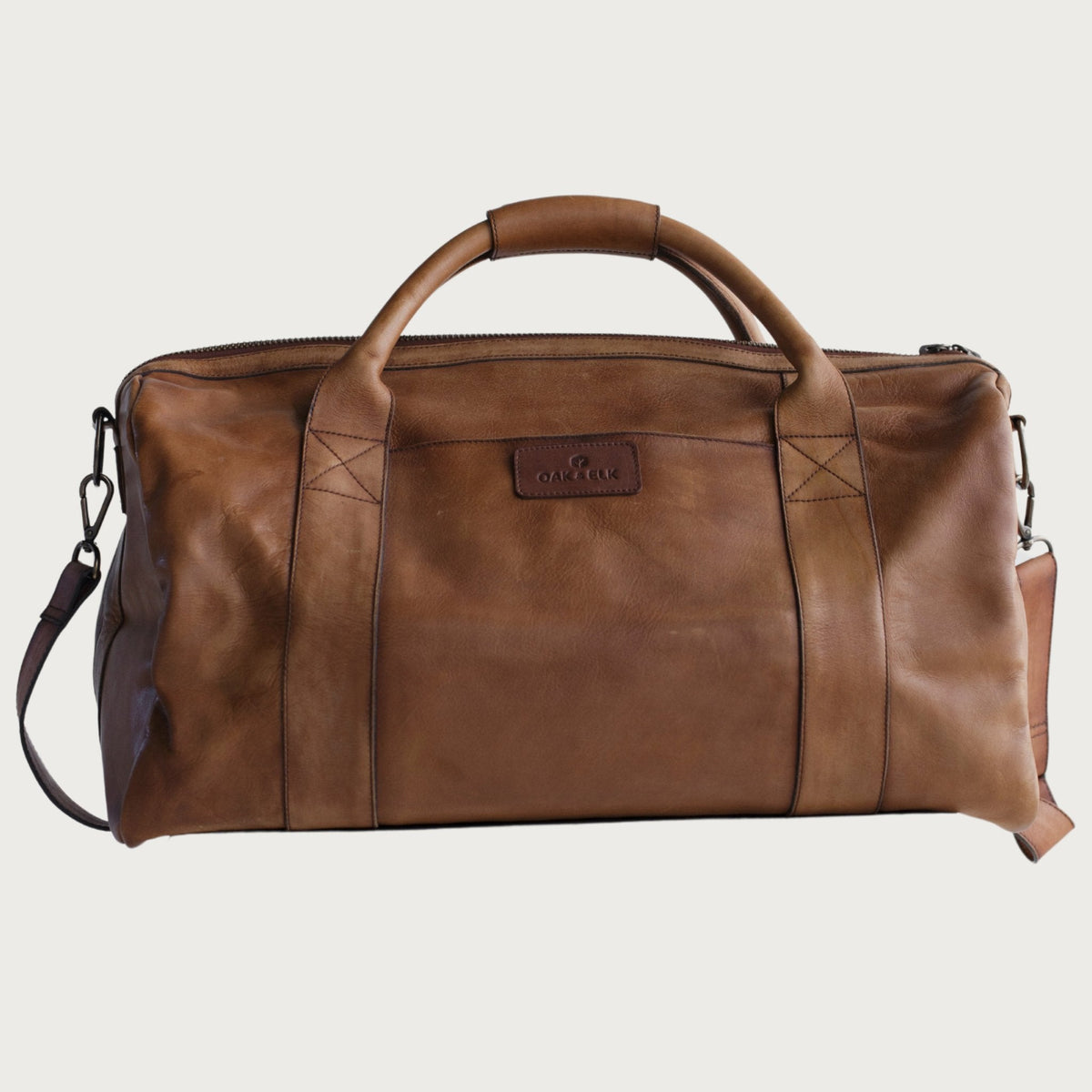
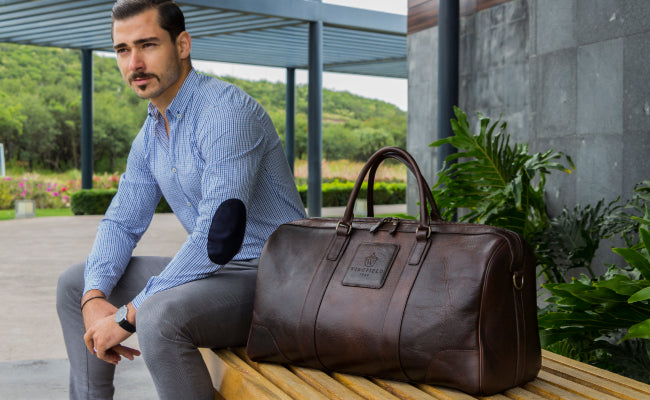
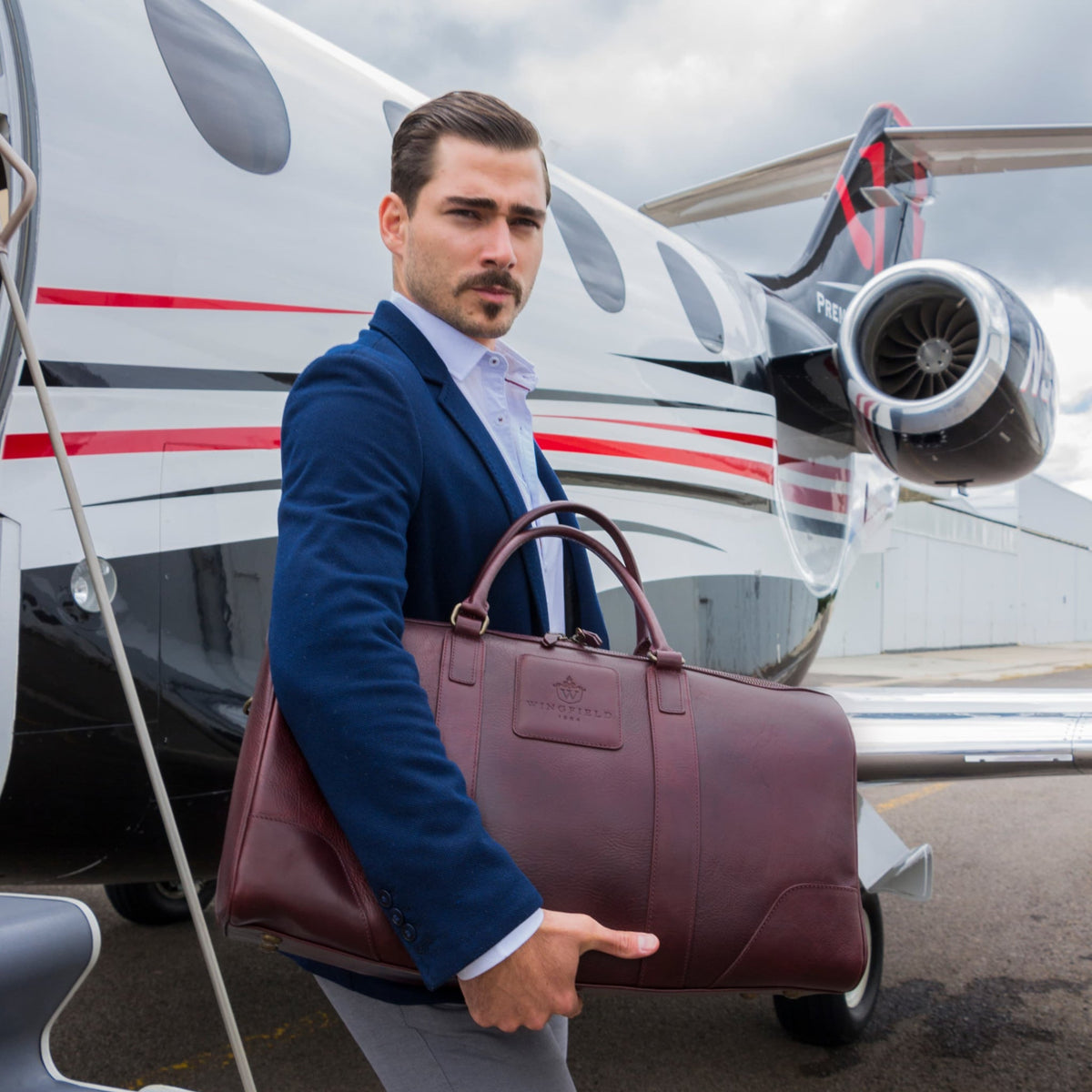
For examples of materials and construction, the Classic Leather Tote is made from full-grain leather with vegetable-tanned handles, the Wingfield Leather Duffel Bag uses vegetable-tanned leather with old brass hardware, and the Wingfield Leather Messenger Bag is also vegetable tanned. Grain and tanning are stated on the product pages; if finish is the detail you care about most, ask the maker directly before buying any bag, ours included.
Choosing the Right Finish for How You Live
- Choose aniline if you want the most natural look and will treat the bag gently, accepting that marks are part of its story.
- Choose semi-aniline if you want visible natural character with a margin of protection for daily carry.
- Choose pigmented if you need uniform color and the least maintenance, for example for heavy commuting or wet climates.
Whichever you pick, routine care helps. Our guide to cleaning a leather bag at home applies the same basic principle to all finishes: start gentle, test on a hidden spot, and never saturate the leather.
Frequently Asked Questions
Is aniline leather better than semi-aniline leather?
Neither is better in every case. Aniline leather looks and feels the most natural but marks easily. Semi-aniline gives up a little of that natural character in exchange for more protection, which suits most everyday bags.
Does semi-aniline mean half real leather?
No. Semi-aniline leather is real leather, typically full-grain, that is dyed with aniline dyes and then given a thin protective coat. The "semi" refers to the finish, not the quality of the hide.
Is pigmented leather real leather?
Yes. Pigmented leather is real leather with a thicker colored coating. It is durable and easy to care for, but it shows less natural character and ages less visibly than lightly finished leather.
How can I tell what finish a leather bag has?
Look at the surface closely. Visible pores and natural variation suggest an aniline or semi-aniline finish, while a very uniform, slightly plastic-looking surface suggests a pigmented one. A drop of water that soaks in quickly also points to a thin finish, so test only on a hidden area.