Parts of a Cowhide: Butt, Shoulder and Belly Explained
The parts of a cowhide are not interchangeable. A single hide contains areas that are dense and firm, areas that are soft and stretchy, and areas that carry the marks of the animal's life, and a good bag maker chooses where each piece is cut from. Understanding the butt, shoulder, belly and neck helps you read a leather bag the way a maker does.
Why one hide is really several leathers
A cow's skin was never uniform. The back carries load and is dense; the belly flexes and stretches with every breath and every step. Tanning preserves those differences. The result is that a finished hide behaves differently from one region to the next, even though it is one continuous piece of full-grain leather.
Leather suppliers describe this with a shared vocabulary. A whole hide is usually split down the spine into two "sides," and each side is described by its regions: the butt (or bend), the shoulder, the neck and the belly. If you want the bigger picture of how raw hide becomes finished material, our guide to how leather is made step by step covers the process from hide to bag.
The butt: the firm, stable back
The butt is the area over the animal's back and hindquarters. Tanners such as Tanner Bates describe it as having a very tight fibre and grain structure, low stretch and high tensile strength, with fewer natural wrinkles than other areas. It is considered one of the two finest cuts of the hide. A "bend" is half a butt, and a "double butt" is the whole butt in one piece.
Because the butt resists stretching, it suits belts, straps and any part of a bag that must hold its shape under load. Suppliers such as Weaver Leather Supply note that the bend is the thickest, firmest part of the hide, which is why it is chosen where minimal stretch and durability matter most.
The shoulder: strong but more flexible
The shoulder sits in front of the butt. Its fibre is still tight, but it is slightly more flexible, so it combines strength with a little give. It shows more natural wrinkles than the butt, particularly toward the neck, but fewer than the belly. Tanner Bates calls it a premier cut and lists belts, bags and small leather goods among its uses.
For a bag, that flexibility is useful. A body panel that needs to drape or soften with use can come from the shoulder, while a handle or strap that must not stretch is better cut from the butt.
The neck: character and fat wrinkles
The neck is the area at the top of the hide. According to Weaver Leather Supply it is good quality, with tensile strength matching the bend and sometimes exceeding it, but it usually has more blemishes such as barbed-wire scratches and natural fat wrinkles. Tanners smooth wrinkles during finishing, though older animals may still show them. These are the same natural features we explain in natural marks in leather: scars, wrinkles and grain.
The belly: soft, loose and often undervalued
The belly is the underside of the animal. Its fibres are looser, so the leather is softer, thinner and stretchier, and it is not the strongest part of the hide. It suits gloves and linings, and some makers do not use it at all. Weaver notes that it is often treated as waste but can be useful when sewn to a stronger piece, where it adds comfort.
Belly leather is not a defect. It is simply the wrong leather for a load-bearing strap and a reasonable one for a piece that needs softness.
Parts of a cowhide compared
| Region | Fibre structure | Stretch | Natural wrinkles | Typical use |
|---|---|---|---|---|
| Butt / bend | Very tight | Low | Fewest | Belts, straps, structural parts |
| Shoulder | Tight, slightly more flexible | Moderate | More, especially near the neck | Bags, belts, small goods |
| Neck | Strong | Varies | Often fat wrinkles and scratches | Pieces where character is welcome |
| Belly | Looser | Higher | Most | Gloves, linings, secondary panels |
These descriptions come from tannery and leather-supply sources and are general. Individual hides vary with the breed, age and life of the animal and with how the leather was tanned.
How the cut connects to thickness and waste
Thickness is not constant across a hide, and the thickest region is the bend. When a maker specifies leather for a bag, the weight and the cut work together, which we explain in our leather thickness guide for bags. Using the whole hide, including the softer areas, is also part of why careful makers produce less waste, a topic covered in how bag makers reduce cutting waste.
Cut and grade are two different questions
A common source of confusion is mixing up where leather comes from on the hide with how its surface has been treated. "Full-grain" describes the surface: the top layer of the hide has not been sanded away to remove marks. "Butt," "shoulder" and "belly" describe location. In principle a piece from any region can be full-grain, which is why a label alone does not tell you how a panel will behave under strain. Our comparison of full grain and top grain leather explains the surface side of the story, and this guide covers the location side.
The animal also matters. Species differ in fibre structure and thickness, which is why a goatskin and a cowhide of the same finish do not feel alike. If you are weighing materials, cowhide vs goatskin vs lambskin is the natural next read.
Finally, the life of the animal leaves its record. Barbed-wire scratches and fat wrinkles, noted by leather suppliers on the neck, are evidence of a real hide and not of a manufacturing fault. A maker who selects carefully places those features where they will be least obtrusive and puts the firmest leather where the bag works hardest.
What to look for when you buy
- Straps and handles: these should feel firm and resist stretching when you pull them. That is the behaviour you expect from dense, tight-fibred leather.
- Body panels: some softness and a few natural lines are normal in full-grain leather and are not defects.
- Linings and interior pieces: softer, stretchier leather is appropriate here.
- Consistency: panels on the same bag should look and feel related, which suggests careful selection.
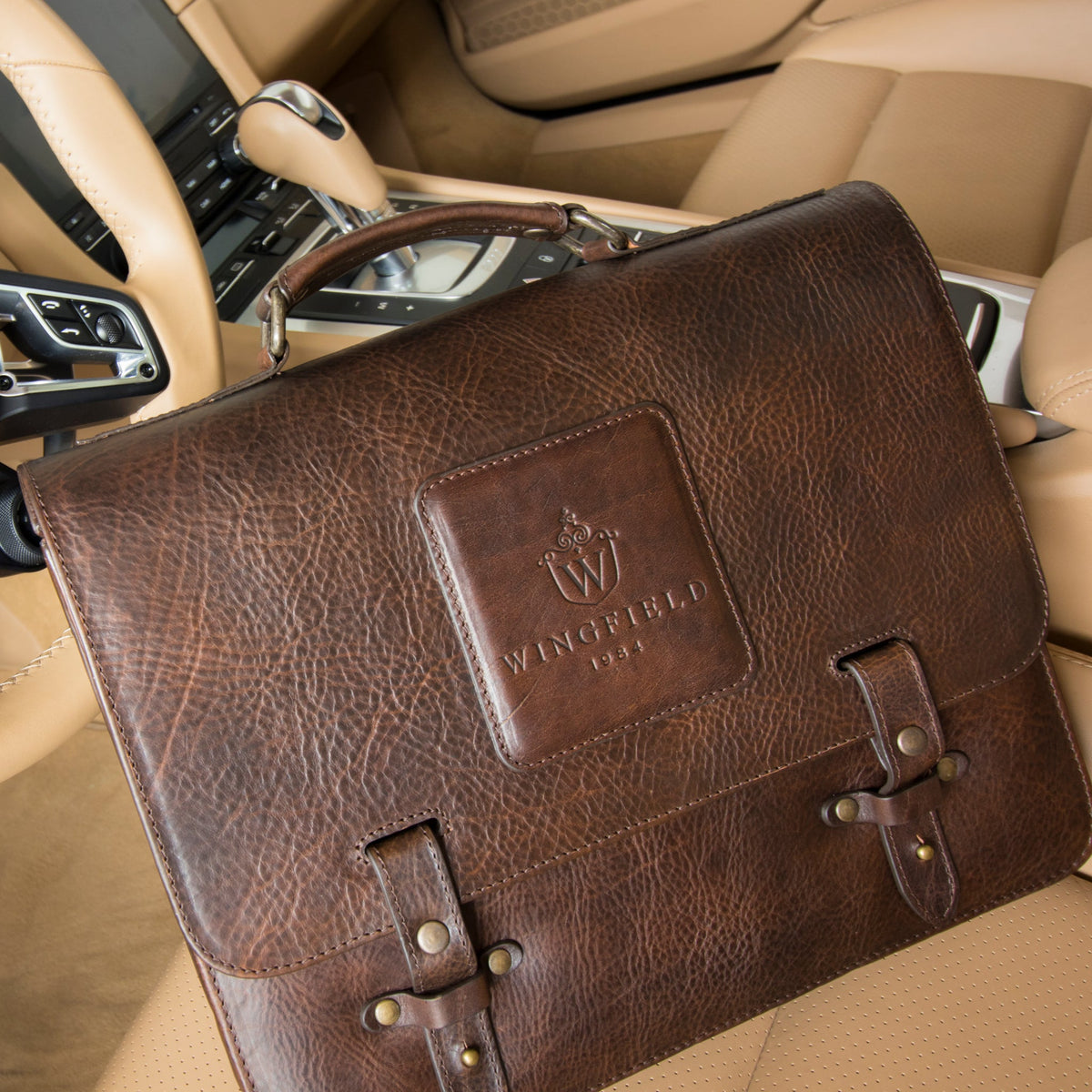
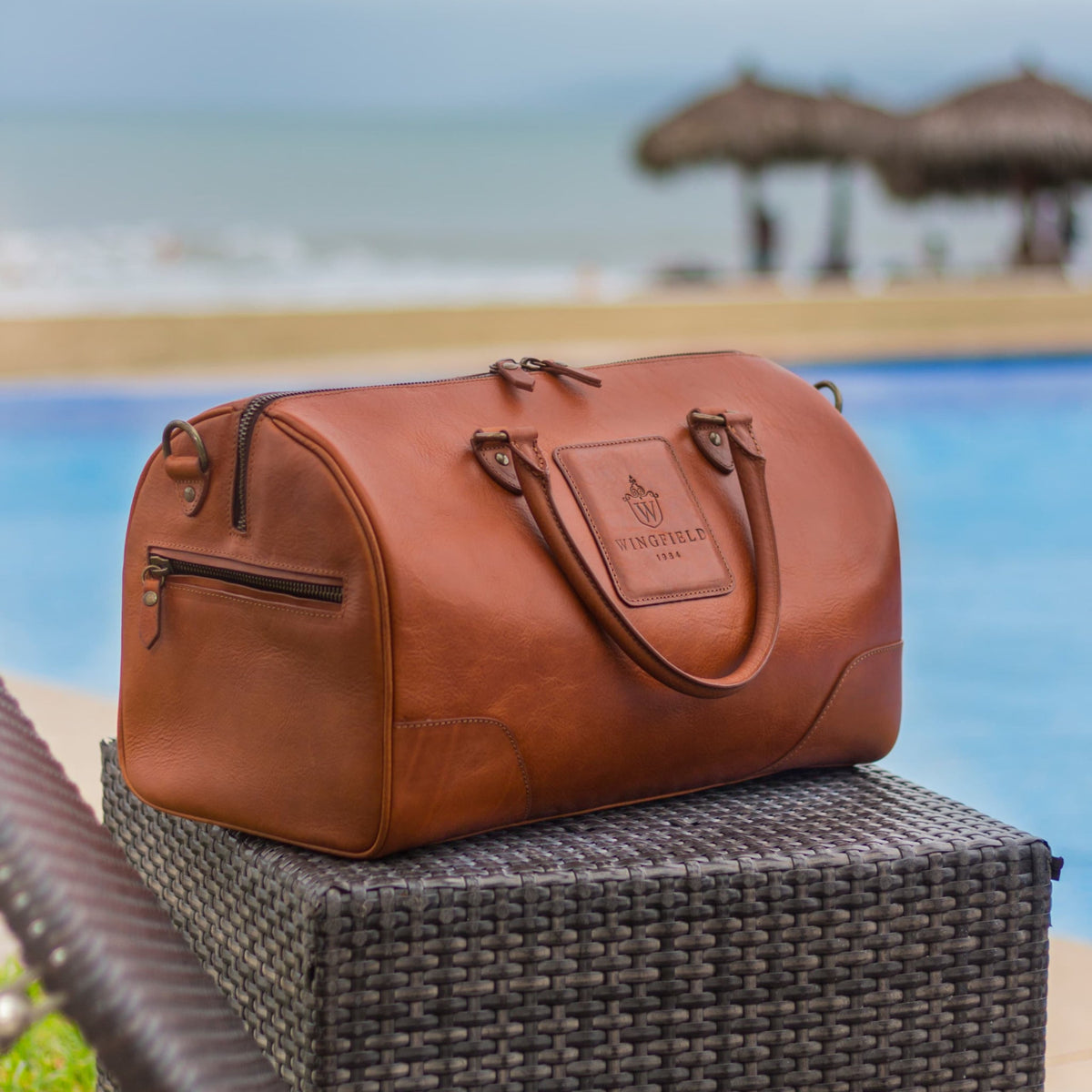
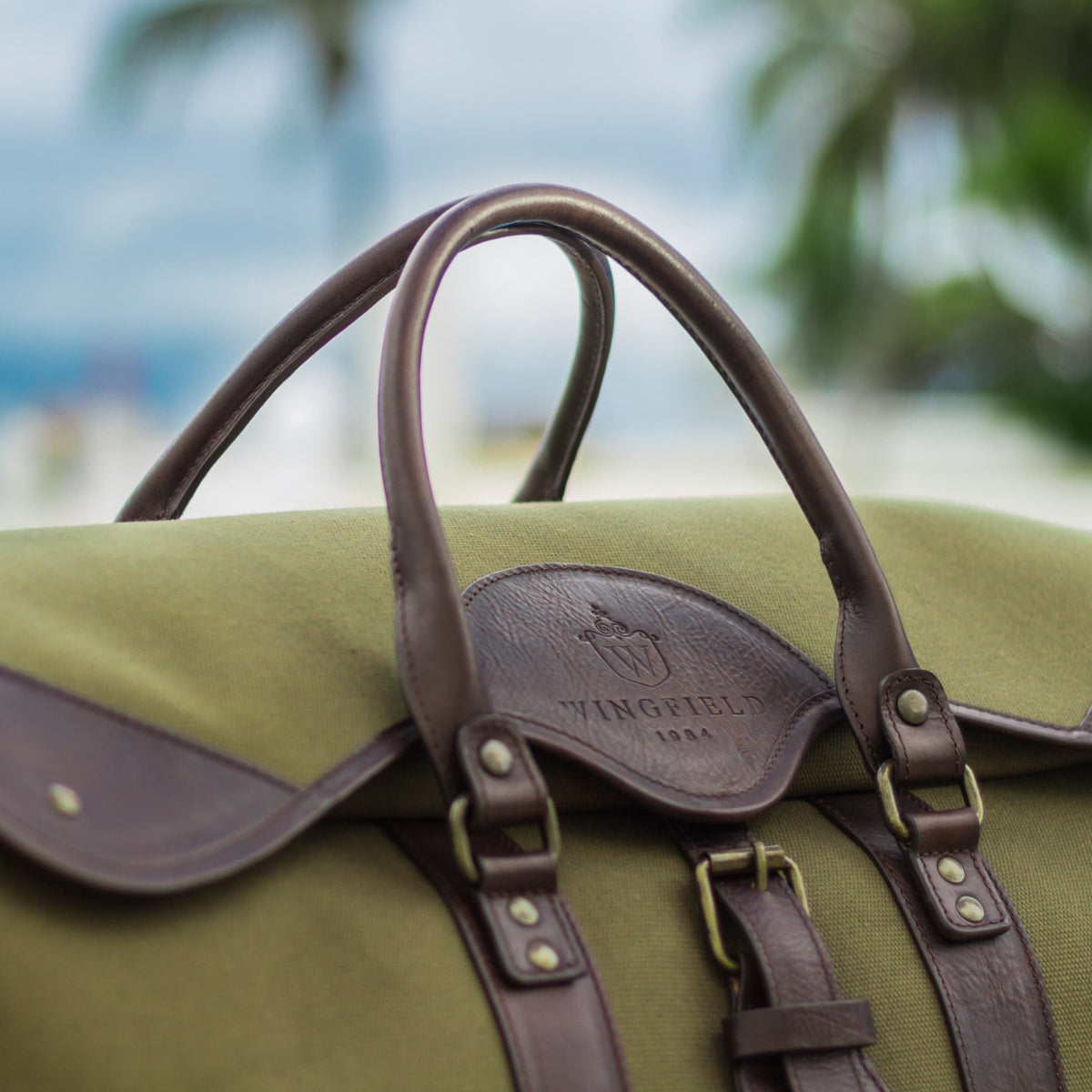
As examples of finished bags, the Classic Leather Tote pairs a full-grain leather body with vegetable-tanned leather handles. The Wingfield Large Leather Duffel Bag and the Wingfield Leather Messenger Bag are both made from vegetable-tanned leather with old brass-color hardware. Product pages do not specify which region of the hide each panel comes from, so the cut is a lens for understanding leather in general, not a claim about any one bag.
Frequently asked questions
Which part of a cowhide is the best?
The butt and the shoulder are generally regarded as the two finest cuts. The butt is the firmest and most stable; the shoulder offers strength with slightly more flexibility.
What is a bend in leather?
A bend is half a butt, cut from one side of the hide along the back. Two bends make a pair, and the whole butt in one piece is called a double butt.
Is belly leather low quality?
It is weaker and stretchier than the butt or shoulder, so it is a poor choice for straps. It is useful for linings, gloves and softer secondary panels, and using it reduces waste.
Do wrinkles in leather mean it is poor quality?
Not necessarily. Natural wrinkles are more common in the neck, shoulder and belly and are features of real hide. What matters is whether the leather is strong where the design needs strength.