

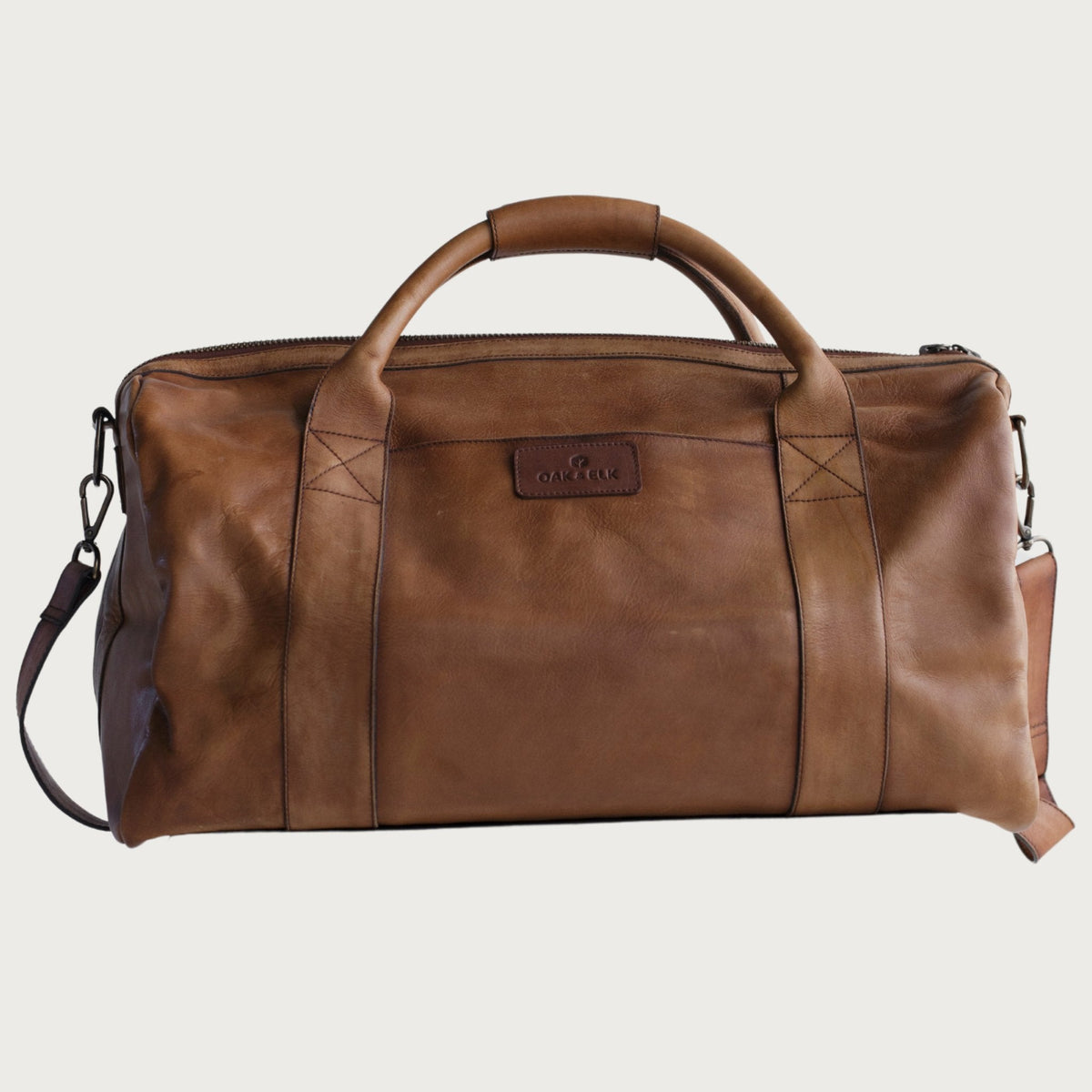
Natural Marks in Leather: Scars, Wrinkles and Grain
Natural marks in leather, such as healed scars, neck wrinkles and faint vein lines, are not manufacturing mistakes. They are the record of an animal's life, and they show up most clearly on full-grain leather because the surface has not been sanded away. Here is how to tell an honest mark from real damage, and why a perfectly uniform bag should make you ask questions rather than reassure you.
Why Leather Has Marks in the First Place
Leather starts as the skin of a living animal, usually cattle. Cattle live outdoors, push through brush, scratch against fences, get bitten by insects and sometimes fight. Skin heals, and healed skin leaves a trace. When that hide is tanned, the traces stay.
Many of these imperfections are not visible on the raw hide. They often appear only after the first tannery processing stages, which is why a tannery grades hides after it has seen what is really there rather than before.
The Common Natural Marks and What Causes Them
Leather reference sources group natural markings by cause. These are the ones you are most likely to see on a finished bag:
- Neck and belly wrinkles. Creases where the animal's skin flexed. They sit where the connective fibers are longer, and they are considered natural rather than a loss of value.
- Healed scratches and scars. Contact with barbed wire, thorns or branches leaves scratches. How many there are, and how long and wide, decides how much of the hide can be used.
- Insect bites. Tick bites and other stings can leave small marks on the surface.
- Vein lines. Faint, fine lines left by the animal's vascular system.
- Grain variation. Leather from the dense back area (the butt) is tighter than leather from the looser belly, so texture differs across one hide.
- Brand marks. Hot branding for ownership identification can leave large scars. It is a reason a hide is downgraded, or a feature in some rustic leathers.
Natural Mark or Defect? A Practical Comparison
Not every imperfection is charming. Some marks are cosmetic. Others weaken the leather or signal a hide that should have been rejected. The table separates the two.
| Mark | Typical cause | Usually acceptable? |
|---|---|---|
| Neck wrinkles | Natural skin folds | Yes. Part of the character of the hide |
| Fine vein lines | Vascular system | Yes. Sign of an unaltered surface |
| Small healed scratches | Brush, thorns, wire | Yes, when limited and well placed |
| Dense scarring over a large area | Repeated injury | No. Reduces usable leather and can weaken it |
| Warble fly holes | Larvae migrating through the skin | No. Leaves holes and scars |
| Fresh gouges or cuts | Made after tanning | No. This is damage, not a natural marking |
One detail surprises many people: a well-healed scar can be more stable than the leather around it. Scar tissue is not automatically a weak point.
Why Uniform Leather Deserves Questions
Hides that are free of damage are scarce, and perfect-looking leather is often made, not found. Corrected-grain leather is sanded to remove imperfections, then given an embossed artificial grain and a pigmented coating. The result looks even, but the sanding takes away the strongest surface layer and the character with it. If you want the full breakdown, read our guide to corrected-grain versus bonded leather.
That is not to say coated leather is always poor. Minor damage can be sanded, filled, dyed and embossed, and the result can be good value within its price range if the finish is durable. The caution is about severely damaged hides that are heavily corrected to hide the problem. Those tend to come from the lower price segment and rarely age well.
Full-Grain Leather Shows Its Marks Honestly
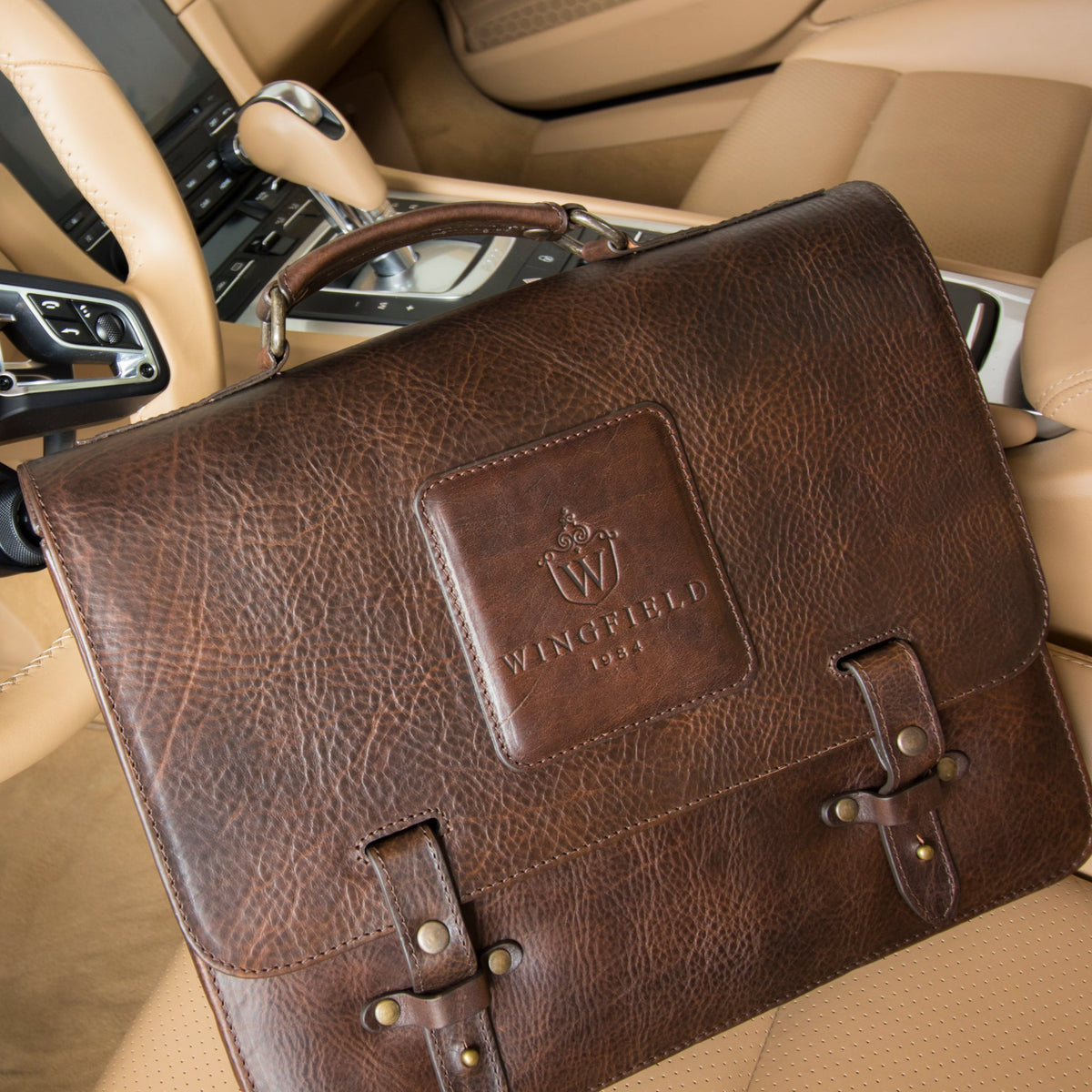
Full-grain leather keeps its natural top layer unsanded, so wrinkles, veins and small scars stay visible. That visibility is the point: you can see what you are buying. Our full-grain versus top-grain guide explains how the grain layer is treated in each grade.
Makers also have a say in how marks appear. When cutting, a skilled cutter places patterns to keep major scars away from prominent areas such as a bag's front panel, and to avoid weak spots at stress points like handles and strap anchors. Marks that remain are the ones that do not compromise the piece.
Marks on Bags You Can Actually Buy
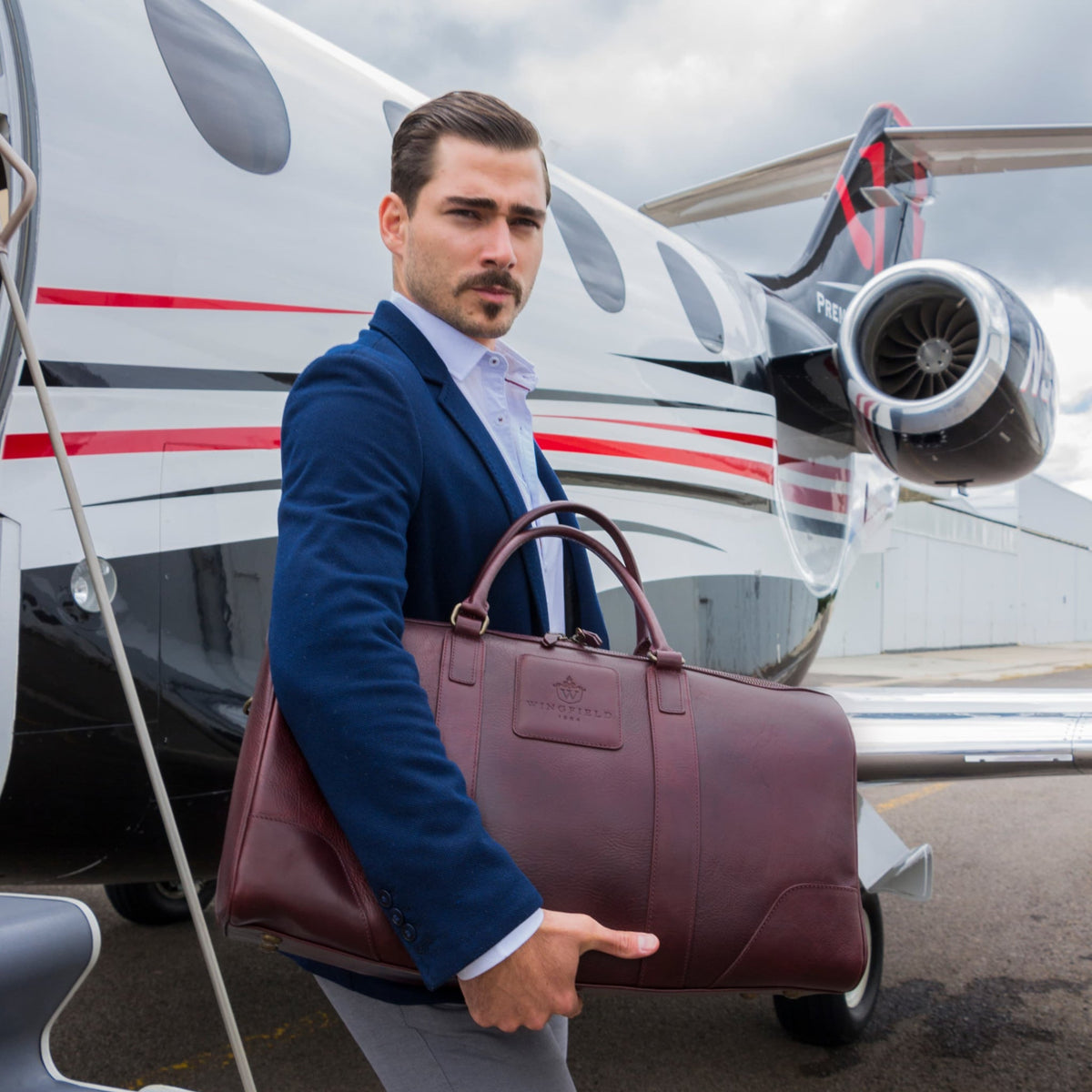
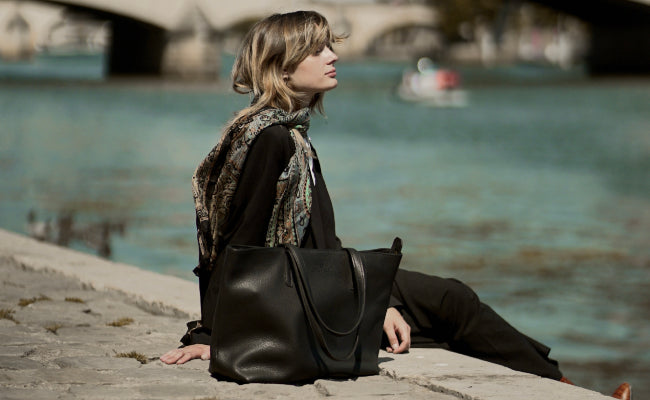
Handles and shoulder straps are where the quality of a hide matters most, because they carry the load. Our Classic Leather Tote uses a full-grain leather body with vegetable-tanned handles, so expect subtle variation in grain and tone from one bag to the next. The Dakota Leather Duffel Bag is made of full-grain cowhide and is described as naturally distressed, so its surface varies by design. The Wingfield Leather Messenger Bag is vegetable-tanned leather with old brass-colored hardware, a combination that tends to show its character openly.
If you are comparing bags in person, our checklist of signs of a well-made leather bag is a good companion.
How Marks Change Over Time
Fine wrinkles tend to soften with wear, and light surface scratches on unfinished or lightly finished leather often blend in as the leather darkens. That gradual change is part of what people mean by patina, covered in how leather patina develops. A bag that looks plain on day one can look distinctive two years later, because no other bag has the same history of marks and wear.
How to Inspect Natural Marks Before You Buy
You do not need lab equipment to judge a hide. A few minutes with the bag in good light tells you most of what you need.
- Look at the surface at an angle. Natural grain has small irregular pores and slight differences in texture. A repeating, identical pattern points to embossing.
- Check the stress points. Handle attachments, strap anchors and corners should be free of deep scars, holes or thin spots.
- Flex a small area. Natural wrinkles should look like fine creases. Cracking, peeling or a plastic-like coating is a warning sign.
- Compare panels. Mild tonal differences between panels are normal. Very different texture between front and back is worth asking about.
- Ask what the label means. Terms such as "genuine leather" do not guarantee full-grain; ask the maker which grade is used.
Buying this way takes a little longer than choosing the cleanest-looking option, but the bag you end up with is more likely to be what it says it is.
Frequently Asked Questions
Are natural marks in leather a sign of low quality?
Usually the opposite. Neck wrinkles, vein lines and small healed scars show the surface has not been sanded and covered. What lowers quality is extensive scarring, holes or damage that has been heavily masked with coating.
Can a scar weaken a leather bag?
A small, well-healed scar generally does not, and it can be stable. Problems arise when damage covers a large area or sits at a stress point such as a handle. This is why careful cutting matters.
Why does my full-grain bag look different from the photo?
Every hide is different, so grain, tone and small marks vary between bags. Some variation is expected with genuine full-grain leather and is one of the ways to tell it from embossed, heavily corrected material.
Do scratches on leather go away?
Light surface scratches on lightly finished leather can often be rubbed in with a clean, warm hand and soften with normal use. Deep gouges will not disappear, and they are damage rather than natural markings.