
Article: Pebbled Leather vs Smooth Leather: How Each Is Made
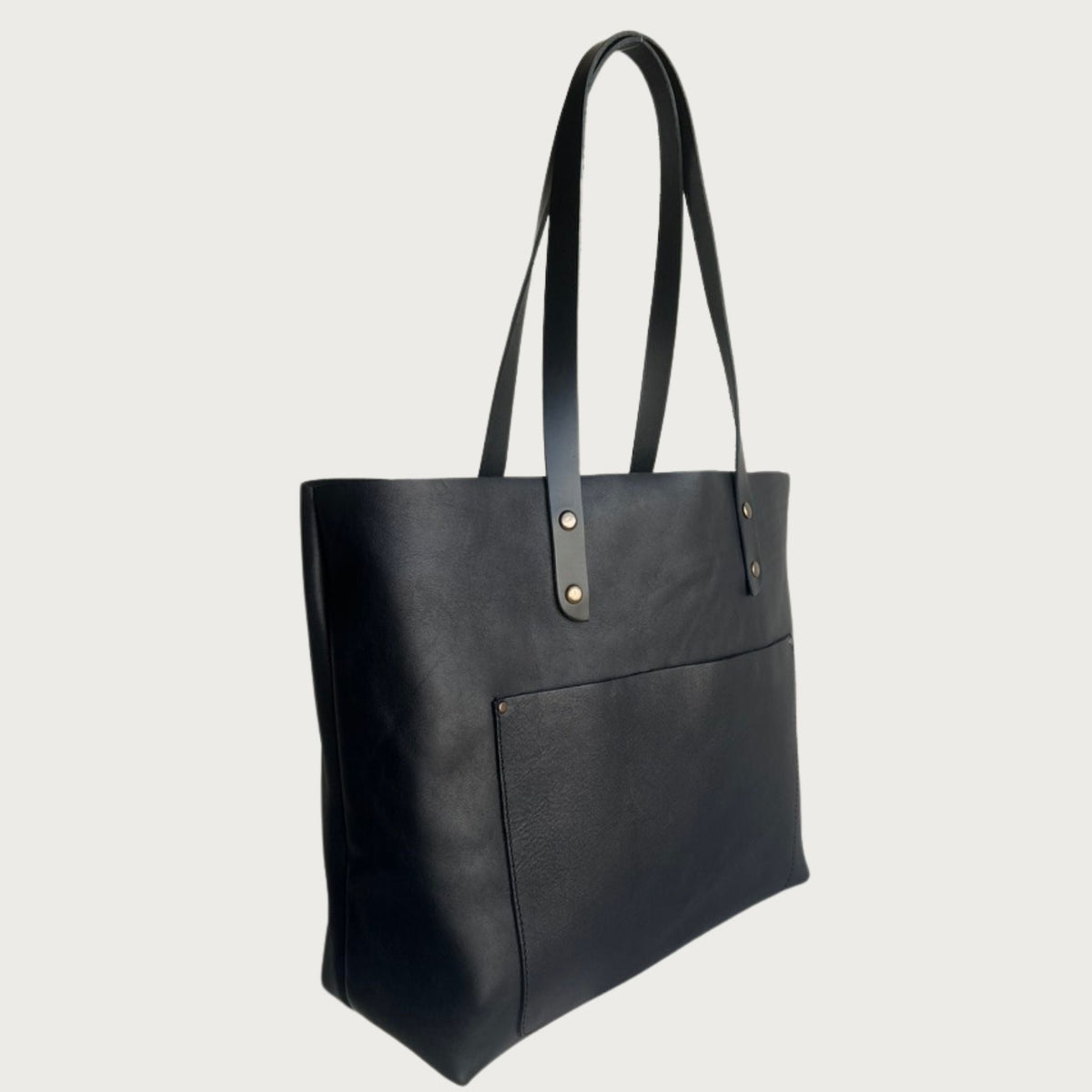
Pebbled Leather vs Smooth Leather: How Each Is Made
Pebbled leather vs smooth leather is one of the first choices you face when buying a leather bag, and the two are not just different looks. They are different surface treatments, and the way a pebbled grain was made tells you a lot about what you are buying. This guide explains how each surface is created, how each one ages, and how to choose.
What Pebbled Leather Actually Is
Pebbled leather has a surface covered in small, rounded bumps that resemble pebbles, with tiny grooves between them. Smooth leather has a flat, even grain surface with no added texture. Both can be cut from the same cowhide. The difference is what happens to the grain after tanning.
A pebbled grain can come from two routes, and they are not equivalent:
- Natural pebbling. When leather is tumbled in a drum, the grain surface tends to pebble on its own. The size and shape of the pebbles vary with the type of leather and how it was tanned, so no two hides look identical.
- Embossing. The leather is pressed under a heated metal plate or roller etched with a pebble pattern, which stamps the texture in. Embossing is the more common route for market pebbled leather because it is quicker, cheaper and gives a consistent pattern from hide to hide.
Neither route is dishonest. But an embossed pebble can be applied to leather that started with a less perfect surface, which is why the quality of the underlying hide matters more than the pebbling itself.
How Smooth Leather Is Made
Smooth leather skips the texturing step. After tanning and dyeing, the hide is finished to keep the natural grain surface flat. How much of that natural surface is visible depends on the finish. Aniline and semi-aniline finishes show the most natural character, while heavier pigmented finishes cover more. Our guide to aniline vs semi-aniline leather finishes covers that spectrum in detail.
Because smooth leather shows the grain as it is, it also shows the animal's life: fine wrinkles, healed scratches and other natural marks. Those are normal, and we explain what to expect in our guide to natural marks in leather.
Pebbled Leather vs Smooth Leather: Side-by-Side
| Feature | Pebbled leather | Smooth leather |
|---|---|---|
| Surface | Small rounded bumps with fine grooves | Flat, even grain |
| How the texture is made | Natural tumbling, or heat and pressure embossing | No texture added; finish keeps the grain flat |
| Visibility of scratches | Raised, irregular surface hides minor scuffs | Flat surface shows scratches more readily |
| Cleaning | Grooves can hold dirt, so wipe regularly | Stains show quickly and need prompt attention |
| Look | Casual, soft, textured | Sleek, clean, more formal |
| Aging | Wears gradually; patina is subtler | Develops a more visible patina |
Scratch hiding is the most repeated advantage of pebbling, and it is a reasonable one: a textured surface scatters light, so a small scuff blends in. It is a practical observation rather than a lab-tested claim, but anyone who has carried both surfaces for a year will recognize it.
Does the Pebble Pattern Affect Durability?
Not by itself. Durability comes from the hide and the cut, not the texture. Full-grain leather from the strongest part of the hide stays durable whether it is pebbled or smooth, while a cheaper cut from a weaker area will wear out sooner either way. If you are comparing bags, ask what grade of leather sits under the pebble, not just how the pebble looks. Our article on corrected-grain vs bonded leather explains why the label can hide a lot, and embossing is often part of how corrected-grain leather is produced.
How Each Surface Ages
Smooth leather, especially vegetable-tanned, is the classic patina leather. Oils from your hands, sunlight and everyday contact darken and burnish the surface, and the changes are easy to see because the surface is flat. If that evolution appeals to you, read how leather patina develops.
Pebbled leather changes more quietly. The high points of the pebbles polish with use while the grooves stay darker, which can give a soft, lived-in contrast. It rarely looks dramatically different after a year, which suits people who want a bag that looks the same on day 400 as on day 4.
Care Differences
- Cleaning. Use a lightly dampened microfiber cloth in small circles, and a soft brush to lift dirt from pebbled grooves. Test any cleaner on a hidden area first.
- Conditioning. Natural pebbled leather benefits from a light conditioner every few months. Avoid thick wax on pebbled leather, since it can collect in the grooves and leave a tacky feel.
- Warning on synthetics. Conditioner does not absorb into faux leather, which lacks pores. If a bag is faux pebbled leather, conditioner sits on top and gets sticky.
Examples From Our Collection
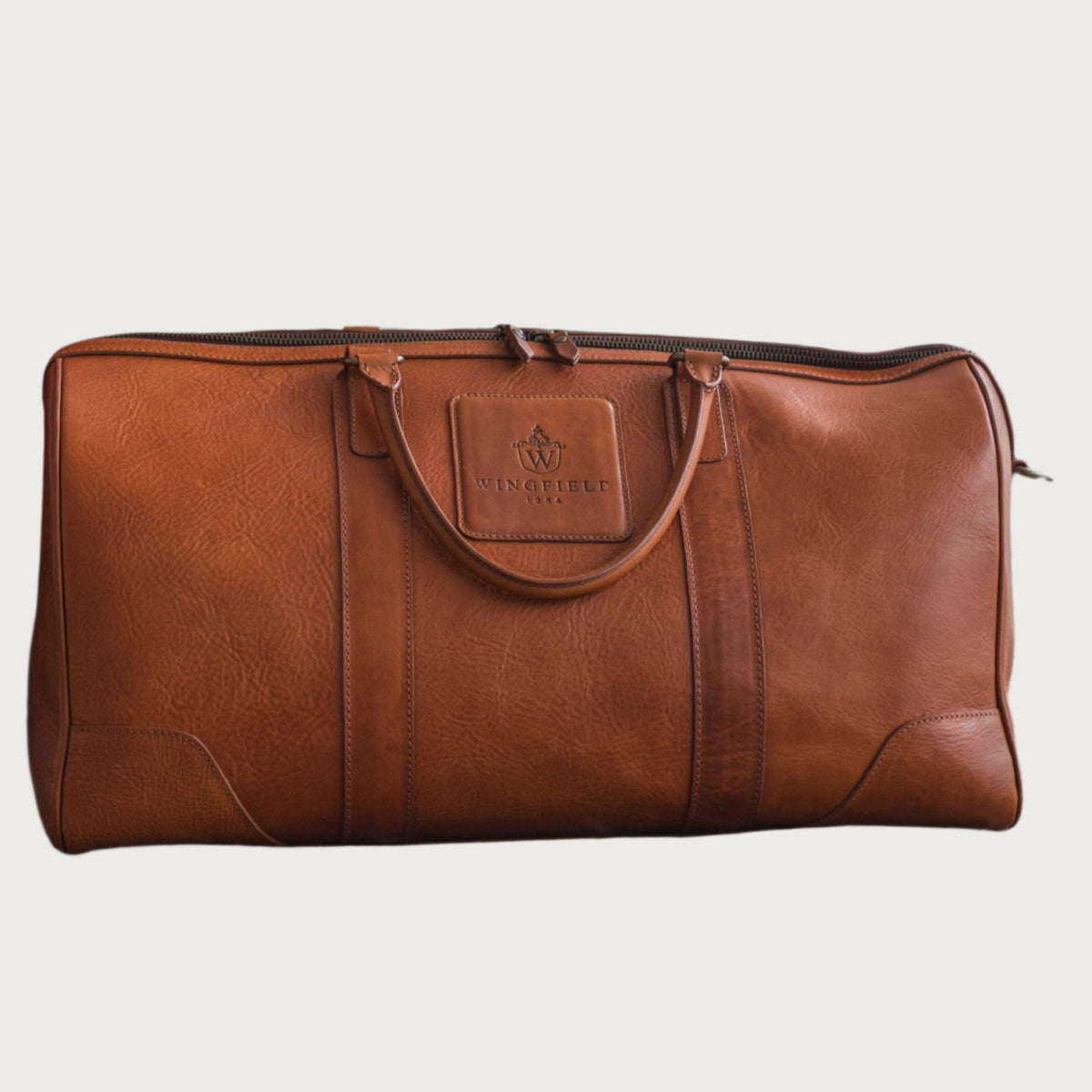
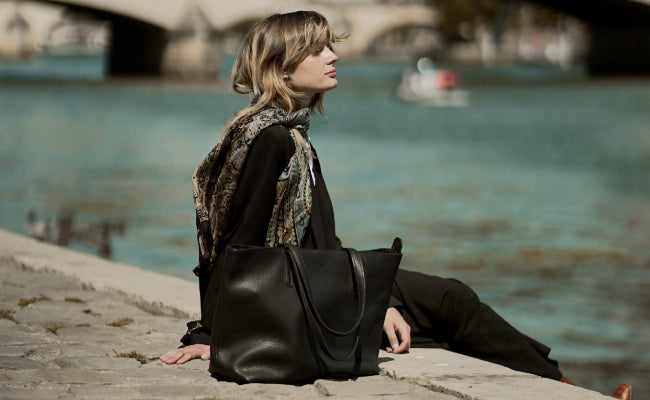
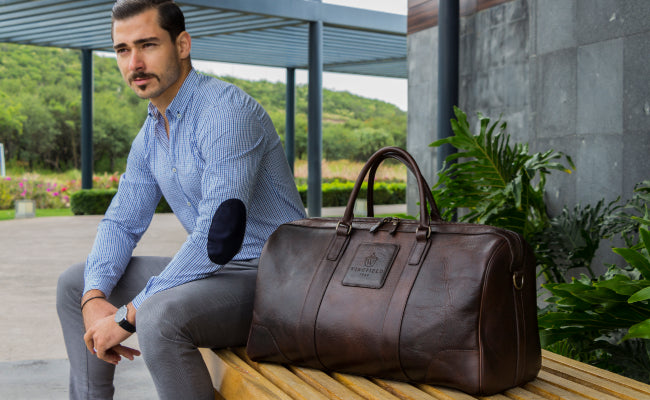
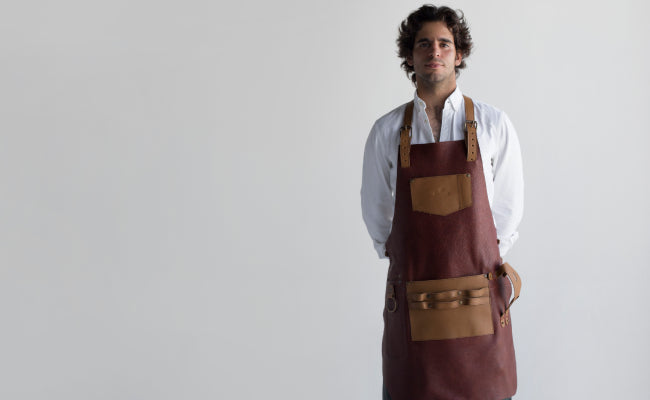
We make bags in both surfaces, so you can compare them directly. The Classic Leather Tote is offered in Signature, Pebbled and Rustic leathers, with vegetable-tanned leather handles, which makes it an easy way to see the same shape in different surfaces. The Paris Leather Shoulder Bag comes in Signature and Pebbled leathers as well as Metallic Silver. For a fully smooth, vegetable-tanned look that builds patina, the Wingfield Leather Messenger is cut from vegetable-tanned leather with old brass hardware. And our Max Leather Apron is made from full-grain pebbled leather, a good example of pebbling chosen because it tolerates daily work.
How to Read a Product Description
Marketing language around texture is loose, so a few habits help. Look for the grade first: "full-grain" or "top-grain" says more about longevity than "pebbled" ever will. Then look for the word that describes how the grain was produced, such as "tumbled," "milled" or "embossed." If a listing says only "pebbled finish," the texture may be pressed into a corrected surface. Finally, check the details that do not depend on texture at all: stitching, edge finishing and hardware. Those decide whether a bag survives years of use, and they are the same checks whether the surface is smooth or pebbled.
If you are shopping secondhand, the same logic applies. A worn pebbled bag can look better than its age, so inspect corners, handle attachments and the interior rather than trusting the surface alone.
How to Choose
- Choose pebbled if you carry your bag hard, commute with it, or want the surface to hide everyday scuffs.
- Choose smooth if you enjoy watching leather change, prefer a cleaner silhouette, or want something that looks dressier.
- Ask about the method. A maker should be able to tell you whether a pebbled grain is natural or embossed and what grade of leather sits underneath.
Frequently Asked Questions
Is pebbled leather real leather?
Yes, when it is made from animal hide. The pebbling is a surface texture, either tumbled or embossed into real leather. Faux pebbled leather also exists, so check the product description for the word "leather" and the type of grain.
Is pebbled leather more durable than smooth leather?
Not inherently. Durability depends on the grade and cut of the hide. Pebbled leather hides scratches better, which makes it look newer for longer, but a full-grain smooth bag can last just as long.
Is embossed pebbled leather lower quality?
Not necessarily. Embossing is a legitimate way to get a consistent texture, including on good leather. The concern is only when embossing is used to mask a damaged or low-grade surface, so ask what the base leather is.
How do I clean pebbled leather?
Wipe with a lightly dampened microfiber cloth, work in small circles, and use a soft brush for the grooves. Condition lightly every few months and avoid heavy wax.