
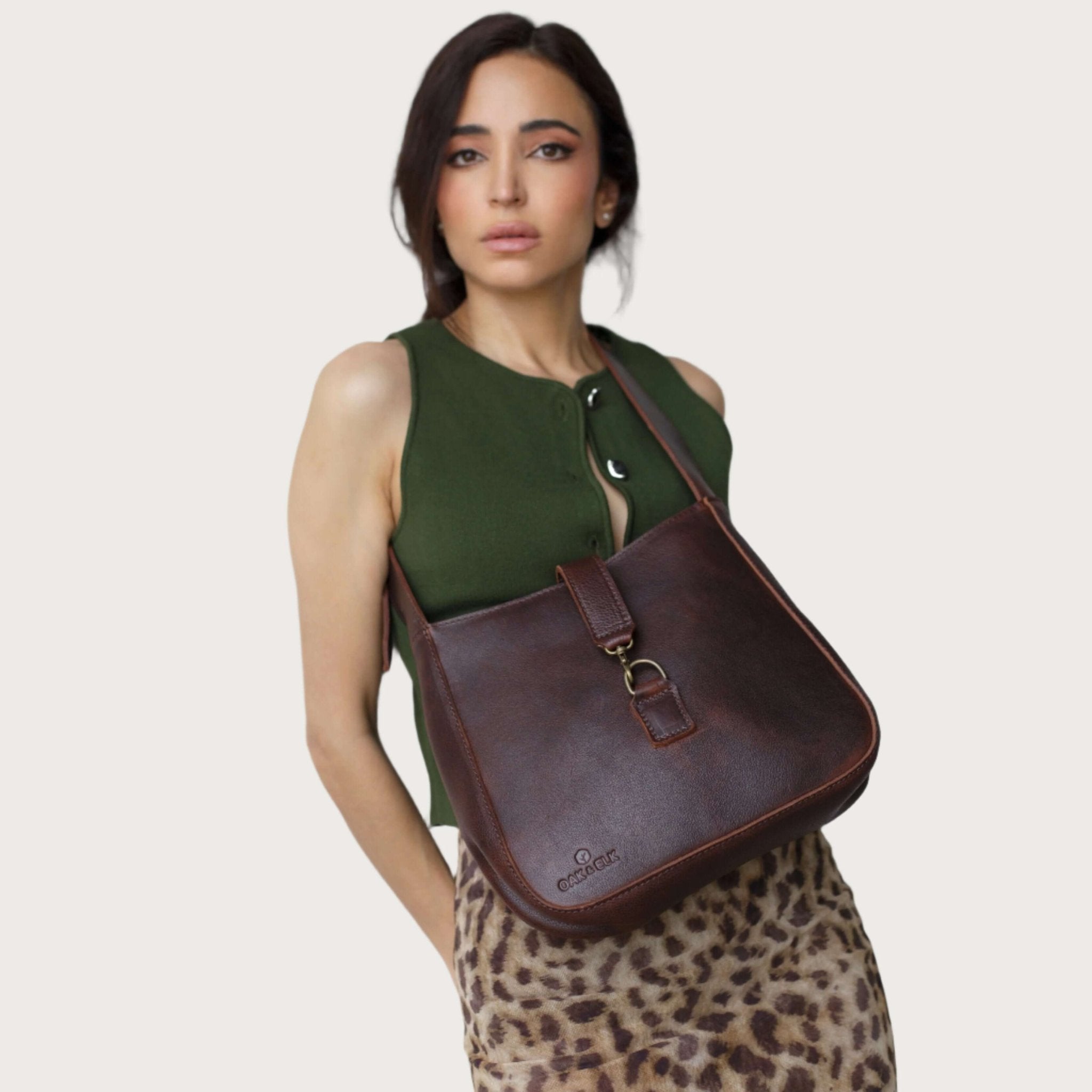
How to Clean a Leather Bag at Home: Step-by-Step Guide
Knowing how to clean a leather bag at home is the difference between a bag that looks tired after two years and one that looks better after ten. Good leather does not need much, but it does need the right things done in the right order. What follows is the method our workshop uses on full-grain hides, adapted for a kitchen table and twenty minutes.
First, Identify What Kind of Leather You Have
Every cleaning decision downstream depends on this. Water beading on the surface usually means a pigmented or protected finish. Water darkening the surface immediately means an aniline or vegetable-tanned leather that absorbs readily and will show every drop.
| Leather type | How to recognize it | Cleaning approach |
|---|---|---|
| Full-grain, vegetable-tanned | Warm smell, visible grain, darkens with water, develops patina | Minimal water, pH-balanced cleaner, condition after |
| Pigmented / protected | Uniform color, slight sheen, water beads on top | Damp cloth and mild soap, tolerates more moisture |
| Pebbled or embossed | Textured grain pattern, hides scuffs well | Soft brush to lift grit from the texture, then wipe |
| Suede and nubuck | Matte, velvety nap | Never wet-clean; use a suede brush and eraser only |
If you cannot tell, test in a hidden spot: the underside of a strap, the base, or inside a gusset. Wait for it to dry fully before judging the result.
What You Actually Need
The supply list is short, and most of what gets recommended online is unnecessary or actively harmful.
- Two soft microfiber cloths, one for cleaning and one dry for buffing
- A horsehair brush or soft toothbrush for seams and hardware edges
- A pH-balanced leather cleaner, or a few drops of mild unscented soap in lukewarm water
- Leather conditioner or a light cream, lanolin- or beeswax-based
- Optional: saddle soap for heavily soiled, robust leather only
Skip baby wipes, alcohol, vinegar, olive oil, and household surface cleaners. Alcohol and vinegar strip the finish and dry the fibers. Cooking oils do not cure; they oxidize inside the leather and eventually turn rancid, leaving dark patches and a sour smell that cannot be reversed.
The Step-by-Step Method
- Empty and shake out the interior. Turn out every pocket. Vacuum the lining with a brush attachment, or turn it inside out if the construction allows. Grit left inside abrades the leather from within.
- Dry-brush the exterior. Work the horsehair brush along seams, under the base, and around hardware plates where dust collects. Removing dry soil first prevents you from grinding it into the surface later.
- Wipe with a barely damp cloth. Dampen the microfiber, wring it until no water can be squeezed out, then wipe in short, overlapping passes. The cloth should leave the leather slightly cool to the touch, never wet.
- Clean with product, section by section. Apply cleaner to the cloth, not the bag. Work a panel at a time in small circles, then move on before the surface dries unevenly.
- Lift the residue. Go over each cleaned panel with a second clean, slightly damp cloth to remove any film. Leftover cleaner attracts dust and can dry patchy.
- Air dry away from heat. Let the bag dry at room temperature, out of direct sun and away from radiators. Heat shrinks and cracks leather. Stuff the bag loosely with acid-free tissue or a cotton T-shirt to hold its shape while it dries.
- Condition once fully dry. Apply a thin, even coat with your fingers or a cloth, let it absorb for fifteen to twenty minutes, then buff with the dry cloth. Less is more: two light coats beat one heavy one.
The whole sequence takes about twenty minutes of active work on a mid-size bag such as the Paris Leather Shoulder Bag, and closer to forty on a structured piece like the Emily Leather Tote, which has more surface area and interior to work through.
Dealing With Specific Stains
Water spots
Counterintuitively, the fix is more water, not less. Lightly dampen the entire panel with a barely wet cloth so the leather dries uniformly rather than leaving a hard tide line, then condition once dry.
Ink
Act fast and blot, never rub. A dedicated leather ink remover is the only product worth trying; hairspray and alcohol will take the ink and the finish with it. Deep ink on untreated leather is often permanent, and a professional is the better call.
Oil and grease
Blot immediately, then dust the mark with cornstarch or talc and leave it overnight. The powder draws oil out of the fibers. Brush it away and repeat if a shadow remains.
Salt and winter residue
Mix one part white vinegar with two parts water, dab lightly on the salt line only, then wipe with clean water and condition. This is the one narrow case where diluted vinegar earns its place.
Mold and mildew
Take the bag outside, brush the surface growth off dry, then wipe with a cloth dampened in equal parts rubbing alcohol and water. Dry thoroughly and store somewhere ventilated, since mold returns wherever humidity is trapped.
How Often to Clean and Condition
- Weekly: a quick dry wipe to remove surface dust
- Monthly: a proper clean if the bag is in daily rotation
- Every three to six months: condition, or sooner if the leather looks matte and feels stiff
- Seasonally: deep clean before long-term storage
Over-conditioning is a real risk. Leather saturated with cream feels tacky, attracts dust, and can darken permanently. If a drop of water no longer beads slightly on the surface, it is time to condition. If it does bead, wait.
Storage Is Half the Job
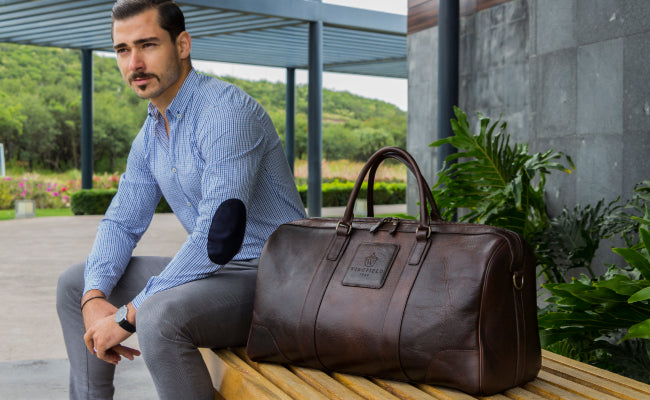
Most damage happens between uses, not during them. Store bags upright, stuffed loosely to hold shape, in a breathable cotton dust bag rather than plastic, which traps moisture and invites mildew. Keep them off direct sunlight, which fades dye unevenly, and away from heating vents. Hanging a bag by its straps for months stretches the attachment points; shelve it instead. Travel pieces like the Wingfield Large Leather Duffel Bag benefit from being emptied and loosely stuffed rather than folded flat, which sets permanent creases across the panels.
When to Call a Professional
Handle a home clean for surface dirt, light scuffs, minor water marks, and routine conditioning. Bring in a leather specialist for structural repairs, torn stitching, deep dye transfer from denim, hardware replacement, or color restoration. A restoration typically costs a fraction of replacing a well-made bag, and reputable makers will often service their own pieces.
Frequently Asked Questions
Can I use soap and water on a leather bag?
Yes, if the soap is mild, unscented, and heavily diluted, and the cloth is only damp rather than wet. Never submerge a leather bag or hold it under a tap. Water that soaks through carries tanning oils out with it as it evaporates, which is what leaves leather stiff and pale.
How do I remove scratches from a leather bag?
Light surface scratches on full-grain leather often disappear with warmth and friction. Rub the mark gently with a clean fingertip for thirty seconds, then buff with a soft cloth. If a faint line remains, a small amount of conditioner worked into the area usually blends it into the surrounding patina. Deep cuts that expose lighter fibers underneath need professional attention.
Does cleaning remove the patina?
Proper cleaning does not. Patina is a change in the leather fibers themselves, developed through oils, light, and handling over years. Cleaning removes surface dirt sitting on top of it. What does damage patina is aggressive solvent use, which strips the finish and leaves flat, blotchy color behind.
How do I clean the lining of a leather bag?
Vacuum first, then spot-treat fabric linings with a barely damp cloth and a drop of mild detergent, working from the outside of the stain inward. Leave the bag open to air dry completely before closing it. For daily upkeep, a removable insert such as a fitted organizer keeps pens, cosmetics, and crumbs from ever reaching the lining. Smaller everyday bags like the Emily Leather Crossbody Bag are quick to maintain this way, since the interior rarely accumulates much.
Clean gently, condition sparingly, store thoughtfully. Leather asks for very little, and it repays consistency far more than intensity.